
In-office vein treatment
Sclerotherapy for spider and varicose veins
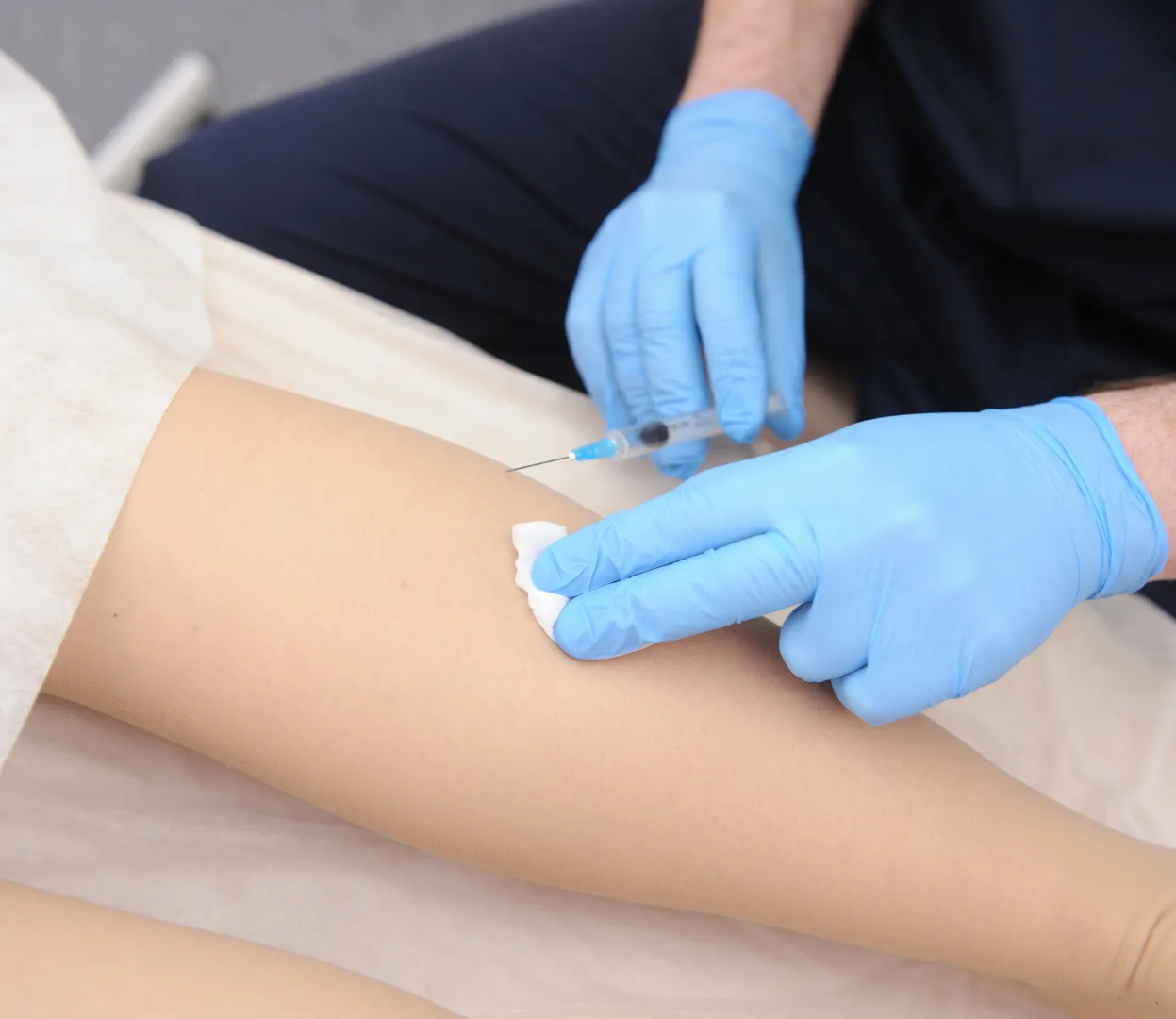
Sclerotherapy is a safe and virtually painless in-office treatment to remove unsightly varicose and spider veins (telangiectasias). A solution is injected into the vein causing it to gradually disappear over several weeks.
Who Sclerotherapy is for
Sclerotherapy is the standard treatment for spider veins and for small to medium varicose veins that remain after a larger vein has been closed. It is also used for veins on the legs that are cosmetic rather than symptomatic. If the ultrasound shows a larger vein feeding the spider veins, that vein is treated first so the results last.
Conditions treated: Spider veins, Varicose veins
Every plan starts with an ultrasound
Before any treatment is recommended, we map your leg veins with an in-office ultrasound. It shows which veins are refluxing and which treatment fits. The consultation and ultrasound are usually covered by insurance.
What happens during the visit
No anesthesia is needed. Using a very fine needle, the physician injects a sclerosing solution into each vein. The solution irritates the vein lining so it collapses and is absorbed by the body. A session usually takes 15 to 30 minutes. You can drive yourself home.
After the procedure
Veins fade gradually over several weeks. Most patients need three to six sessions spaced a few weeks apart, depending on how many veins are treated. Walking is encouraged. Compression stockings for a short period improve results. Temporary bruising, small red marks, or light brown lines along the vein are common and usually fade.
How Sclerotherapy compares
Most patients with varicose veins need one of the vein-closing treatments, sometimes followed by sclerotherapy or micro-phlebectomy for the branches. The ultrasound decides which.
| Treatment | Best for | How it works | Anesthesia | Typical downtime |
|---|---|---|---|---|
| Varithena | Varicose veins fed by a saphenous vein that is not working | Ultrasound-guided microfoam closes the vein | Local, if any | Walk out the same day; light activity right away |
| Laser ablation (ELAS) | A refluxing greater saphenous vein | A thin laser fiber seals the vein from the inside | Local | Walk out the same day; compression for a short period |
| Sclerotherapy | Spider veins and smaller varicose veins | A solution injected into the vein makes it fade over weeks | None | None; several sessions may be needed |
| Micro-phlebectomy | Bulging surface veins | Tiny incisions remove the vein segment | Local | Walk out the same day; compression afterward |
Cost and insurance
Sclerotherapy for spider veins is generally considered cosmetic and paid out of pocket per session. When it treats medically necessary varicose veins, we submit it to your insurance. Consultations for cosmetic vein treatment are complimentary.
You get the number before you commit
Before anything is scheduled, we tell you in writing what your plan covers and what it leaves to you. Nothing goes on the schedule until you have that in hand.
Sclerotherapy questions
Does sclerotherapy hurt?
The injections use a very fine needle and most patients feel a brief sting or mild cramp. No numbing is required.
How many sessions will I need?
Three to six sessions is typical, spaced several weeks apart. The number depends on how many veins you have and how they respond.
What should I avoid after sclerotherapy?
Avoid hot baths, saunas, and strenuous leg workouts for a few days, and keep the treated legs out of direct sun while any marks fade. Walking is encouraged.
Is sclerotherapy permanent?
Treated veins do not come back. New spider veins can appear over time, especially with family history, pregnancy, or long periods of standing, and can be treated in a touch-up session.
Is sclerotherapy covered by insurance?
Sclerotherapy for cosmetic spider veins is usually not covered by insurance. When it is part of treating symptomatic varicose veins with documented reflux, insurance may cover it. We tell you which applies before you book a session.
Where and with whom
Sclerotherapy is performed in the office at both locations: with Dr. Thomas Drost in Oak Park (Monday, Tuesday, Wednesday, and Friday) and with Dr. Kristen Hayes in Wilmette on Thursdays. The physician who performs your ultrasound and consultation is the physician who treats you.
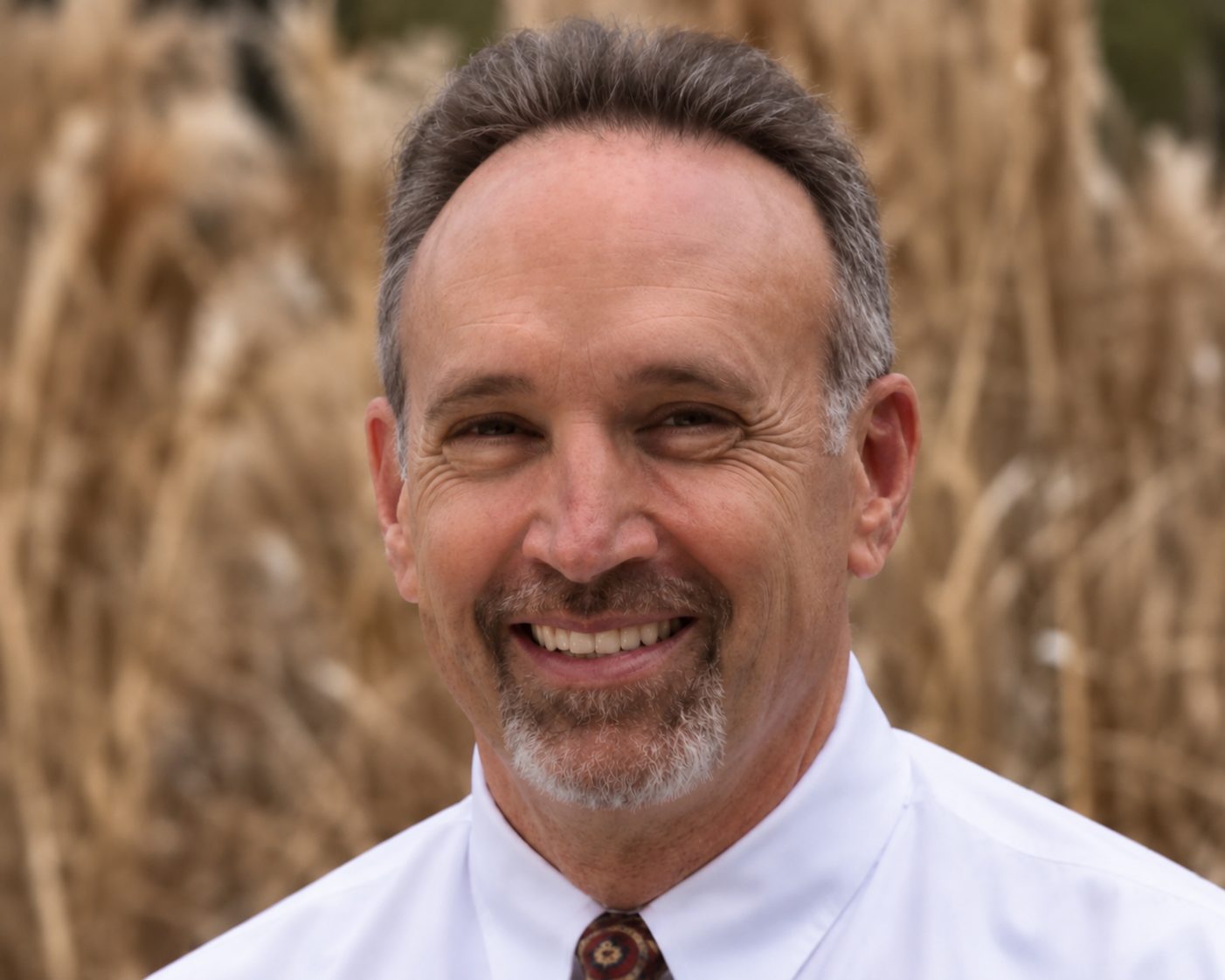
Thomas Francis Drost, M.D.
Board Certified Surgeon
Dr. Drost is a board certified surgeon who performs in-office, non-surgical vein treatments at The Vein Care Center.
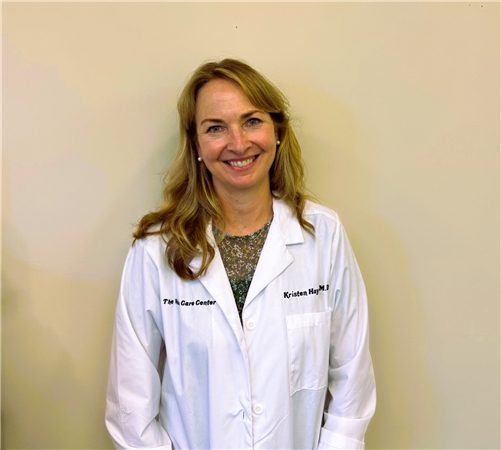
Kristen Hayes, M.D.
Board Certified Emergency Medicine Physician
Dr. Hayes is a board certified emergency medicine physician who supports patient care at The Vein Care Center.
Related treatments
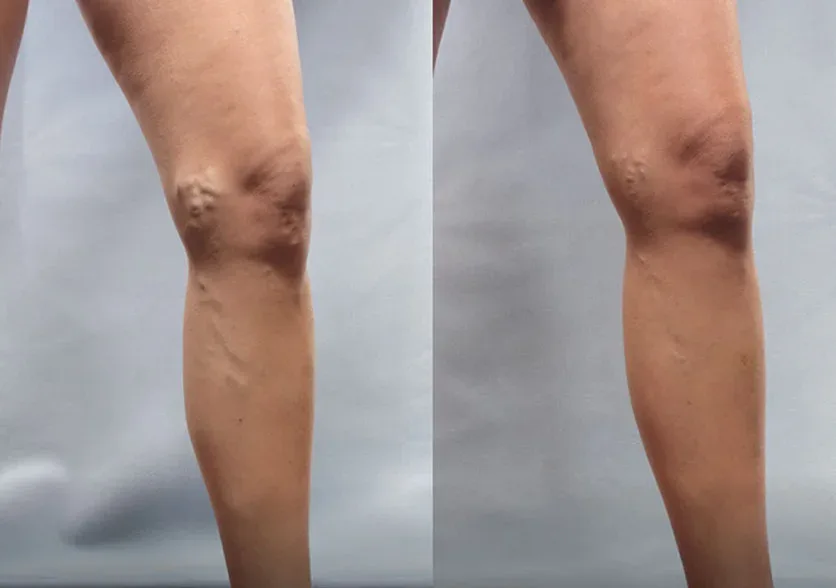
Varithena
Ultrasound-guided foam that closes varicose veins, often in one visit.
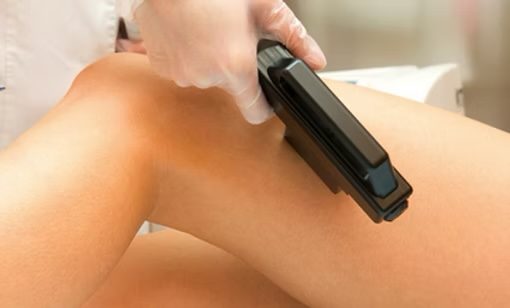
Laser Therapy (ELAS)
A thin laser fiber seals the vein that causes most varicose veins.
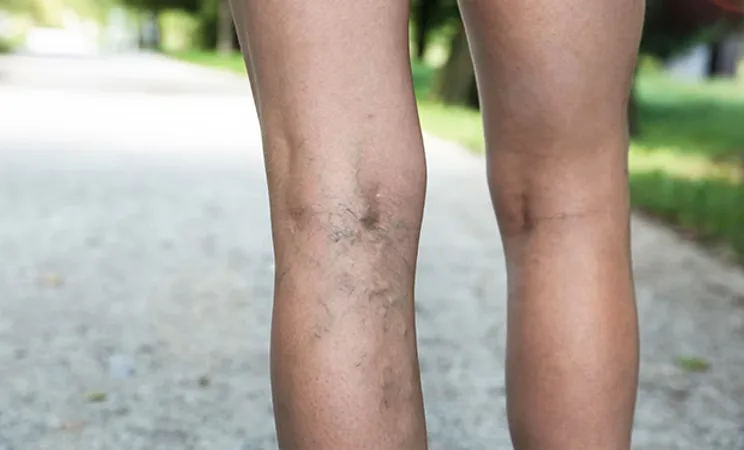
Micro-Phlebectomy
Bulging surface veins removed through tiny nicks. No stitches.
Related reading from our blog
Ready to take the first step toward healthier legs?
Two offices in Oak Park and Wilmette, serving Evanston, Berwyn, River Forest, Skokie, Glenview, and all of Chicagoland. All procedures are performed in the office without surgery.