
Conditions we treat
Venous leg ulcers: why they will not heal and how we treat them
A venous leg ulcer is an open sore, usually just above the ankle, caused by years of pressure from vein valves that do not work. Wound care alone often fails because the pressure is still there. Treating the vein takes the pressure off so the wound can close and stay closed.
Symptoms
Causes and risk factors
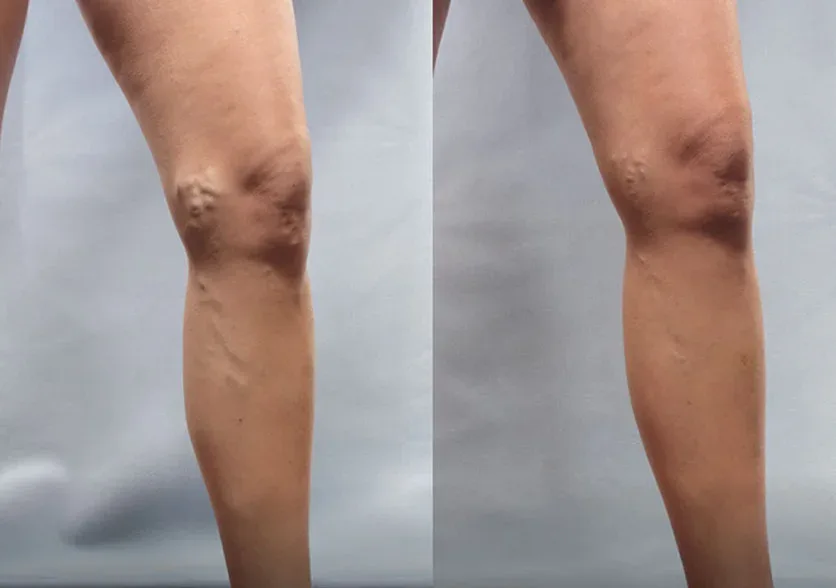
Venous ulcers are the end stage of chronic venous insufficiency. Blood that pools in the lower leg leaks fluid and cells into the tissue, the skin becomes fragile, and a small scrape or pressure point opens into a wound that cannot heal because the tissue is congested. Risk is higher after a deep vein thrombosis, with obesity, with a history of varicose veins, and with jobs that involve long standing.
When to see a vein specialist
Any sore on the lower leg that has not healed in two to three weeks should be evaluated. If you have been treating a leg wound with dressings and it keeps reopening, the vein is the reason. Podiatrists and wound clinics refer these patients to us because closing the refluxing vein is what lets the ulcer heal.
How we diagnose it
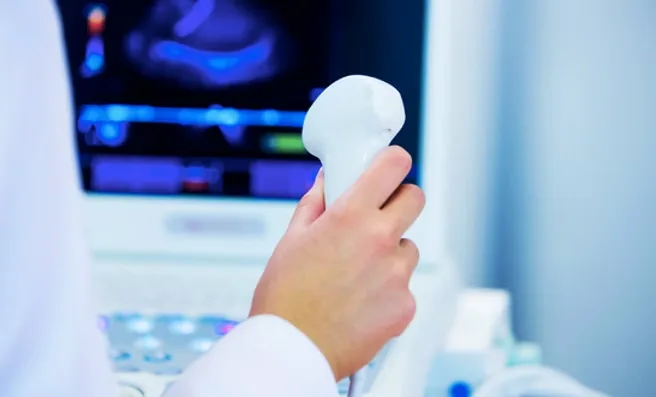
A venous ultrasound shows whether reflux in the superficial or deep veins is feeding the pressure under the ulcer, and rules out a clot or an arterial problem. The physician also examines the wound and your circulation.
Treatment options
Treatment depends on what the ultrasound shows. These are the options we use most for venous leg ulcers.
Varithena
Ultrasound-guided foam that closes varicose veins, often in one visit.

Laser Therapy (ELAS)
A thin laser fiber seals the vein that causes most varicose veins.
Ultrasound
Painless in-office mapping of your leg veins. Where every plan starts.

Support Stockings
Relief for heavy, swollen legs, and part of long-term care.
Insurance and cost
Treatment of a venous ulcer is typically covered as medically necessary, including by Medicare Part B. We coordinate with your podiatrist or wound care clinic and submit prior authorization before scheduling.
Referred by your podiatrist?
Bring the referral and any notes. We do the ultrasound and consultation in one visit and send a written report back to your referring doctor.
Common questions
Why will my leg ulcer not heal?
Because the venous pressure that caused it is still there. Dressings treat the surface; closing the refluxing vein and compressing the leg treat the cause.
How long does a venous ulcer take to heal after vein treatment?
It varies with the size of the wound and how long it has been open. Many close within weeks to a few months once the vein is treated and compression is used consistently.
Can I still see my podiatrist or wound clinic?
Yes, and you should. We treat the vein; your podiatrist or wound clinic continues the wound care, and we send them a written report.
Is treatment for a venous ulcer covered by insurance?
Yes. A venous ulcer with documented reflux is one of the clearest cases of medical necessity, and treatment is typically covered, including by Medicare.
Our physicians

Thomas Francis Drost, M.D.
Board Certified Surgeon
Dr. Drost is a board certified surgeon who performs in-office, non-surgical vein treatments at The Vein Care Center.
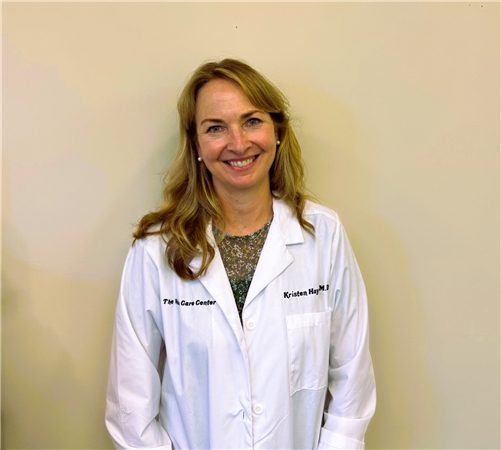
Kristen Hayes, M.D.
Board Certified Emergency Medicine Physician
Dr. Hayes is a board certified emergency medicine physician who supports patient care at The Vein Care Center.
Ready to take the first step toward healthier legs?
Two offices in Oak Park and Wilmette, serving Evanston, Berwyn, River Forest, Skokie, Glenview, and all of Chicagoland. All procedures are performed in the office without surgery.