
Conditions we treat
Chronic venous insufficiency: symptoms and treatment
Chronic venous insufficiency (CVI) means the valves in your leg veins no longer keep blood moving up toward the heart, so blood pools in the lower leg. It causes swelling, heaviness, skin changes, and eventually ulcers. It is the condition behind most varicose veins, and it is treatable in the office.

Symptoms
Causes and risk factors
Venous insufficiency develops when vein valves are damaged by years of high pressure, a past blood clot (deep vein thrombosis), or an inherited weakness. Long hours standing or sitting, extra weight, pregnancy, and aging all add pressure. Blood that cannot return efficiently leaks fluid and blood cells into the tissue, which is what stains and thickens the skin around the ankle.
When to see a vein specialist
Early venous insufficiency looks like ankle swelling that goes away overnight and legs that feel tired. If swelling is now daily, if the skin near the ankle is discolored or hard, or if you have had a leg wound that took weeks to heal, see a vein specialist. Waiting lets the skin damage progress toward an ulcer that is much harder to heal.
How we diagnose it
A venous ultrasound in our office confirms the diagnosis by showing reflux in the deep or superficial veins and ruling out a clot. The findings determine whether closing a refluxing superficial vein will relieve your symptoms.
Treatment options
Treatment depends on what the ultrasound shows. These are the options we use most for chronic venous insufficiency.
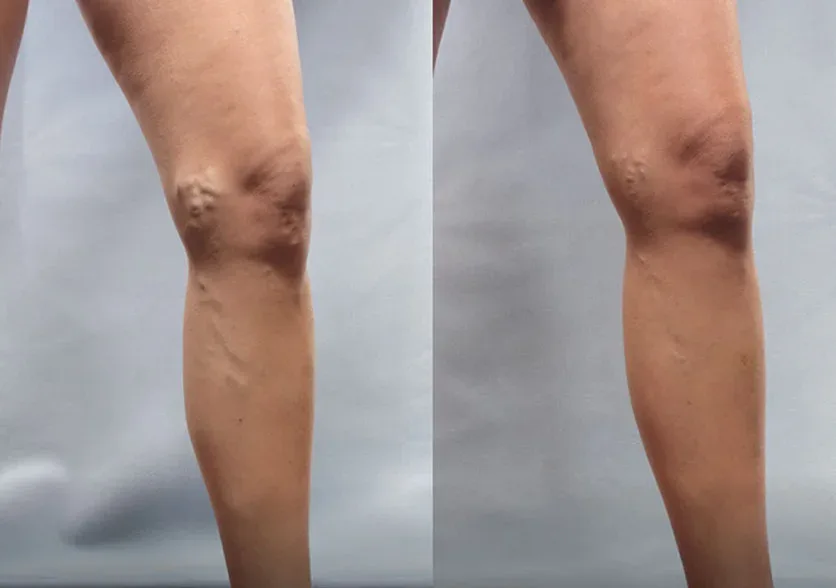
Varithena
Ultrasound-guided foam that closes varicose veins, often in one visit.
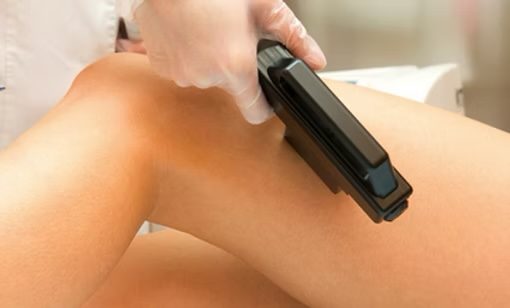
Laser Therapy (ELAS)
A thin laser fiber seals the vein that causes most varicose veins.
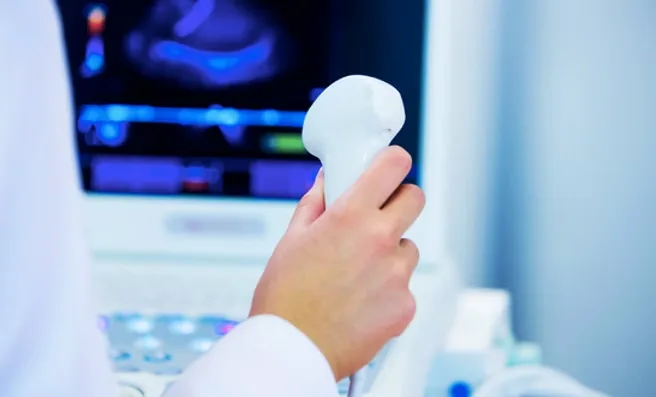
Ultrasound
Painless in-office mapping of your leg veins. Where every plan starts.
Support Stockings
Relief for heavy, swollen legs, and part of long-term care.
Insurance and cost
Chronic venous insufficiency with documented reflux and symptoms is a medical diagnosis, and treatment is usually covered after a compression trial and prior authorization. We submit the pre-determination for you and provide a written estimate for any portion that is not covered.
Referred by your podiatrist?
Bring the referral and any notes. We do the ultrasound and consultation in one visit and send a written report back to your referring doctor.
Common questions
What is the best treatment for venous insufficiency?
It depends on which veins are refluxing. Compression stockings, leg elevation, and walking help everyone. When a superficial vein such as the greater saphenous is the source, closing it with laser ablation or Varithena treats the cause.
What are the early stages of venous insufficiency?
Ankle swelling that clears overnight, tired or heavy legs, and spider or varicose veins. Skin changes come later. Treatment at the early stage prevents the later ones.
Is venous insufficiency the same as arterial insufficiency?
No. Venous insufficiency is blood having trouble leaving the leg; arterial insufficiency is blood having trouble reaching it. The symptoms and treatments differ, and the ultrasound tells them apart.
Does diet help venous insufficiency?
Controlling weight, limiting salt to reduce fluid retention, and eating high-fiber foods to avoid constipation all reduce venous pressure. They support treatment; they do not replace it.
Is treatment for venous insufficiency covered by insurance?
Usually yes, including Medicare, when the ultrasound documents reflux and you have symptoms or skin changes. A compression trial is generally required first.
Our physicians
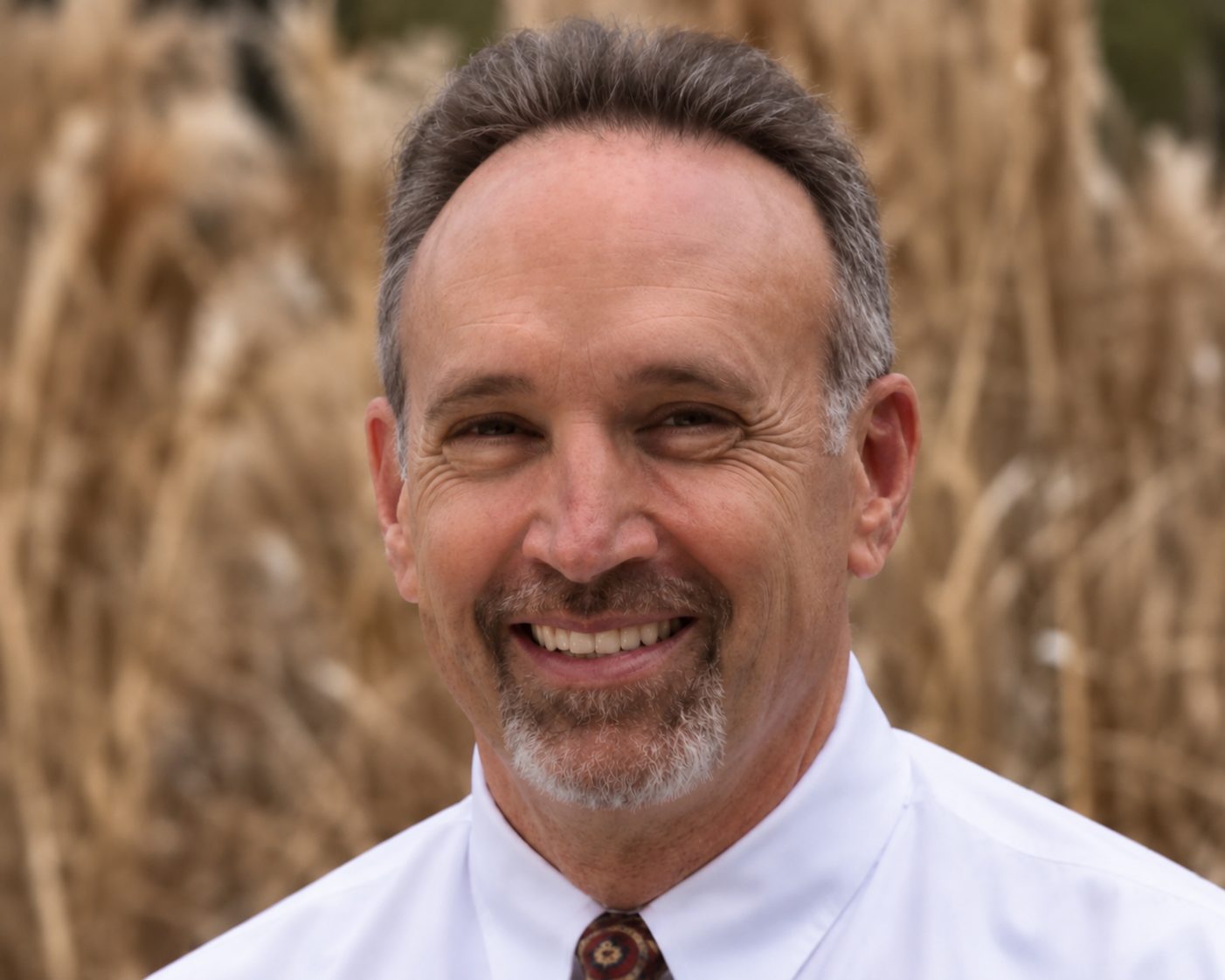
Thomas Francis Drost, M.D.
Board Certified Surgeon
Dr. Drost is a board certified surgeon who performs in-office, non-surgical vein treatments at The Vein Care Center.
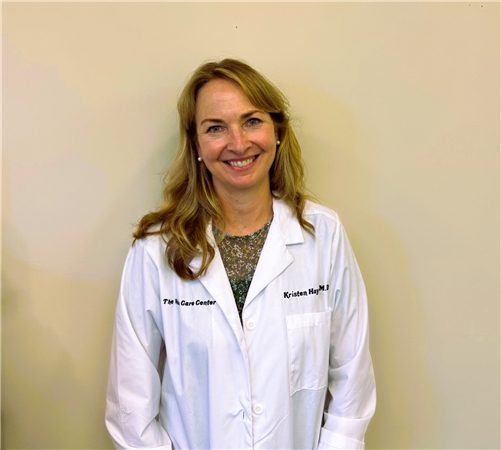
Kristen Hayes, M.D.
Board Certified Emergency Medicine Physician
Dr. Hayes is a board certified emergency medicine physician who supports patient care at The Vein Care Center.
Related reading from our blog
Ready to take the first step toward healthier legs?
Two offices in Oak Park and Wilmette, serving Evanston, Berwyn, River Forest, Skokie, Glenview, and all of Chicagoland. All procedures are performed in the office without surgery.