
In-office vein treatment
Endovenous laser ablation (ELAS) for varicose veins
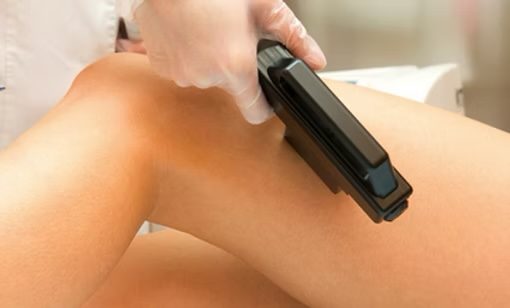
The ELAS procedure (Endoluminal Ablation of the Saphenous vein) is an ultrasound-guided therapy which utilizes a very thin laser fiber to close down and seal the greater saphenous vein, causing them to disappear.
Who Laser Therapy (ELAS) is for
Laser ablation treats the greater saphenous vein, the long vein running from the ankle to the groin that is the source of most varicose veins. When ultrasound shows blood flowing backward in this vein (reflux), sealing it stops the pressure that causes bulging veins, swelling, and leg fatigue. ELAS has replaced vein stripping surgery for most patients.
Conditions treated: Varicose veins, Chronic venous insufficiency, Venous leg ulcers
Every plan starts with an ultrasound
Before any treatment is recommended, we map your leg veins with an in-office ultrasound. It shows which veins are refluxing and which treatment fits. The consultation and ultrasound are usually covered by insurance.
What happens during the visit
Under ultrasound guidance and local anesthesia, a very thin laser fiber is threaded into the vein through a needle puncture near the knee. Anesthetic fluid is placed around the vein to numb it and protect surrounding tissue. The laser is activated as the fiber is slowly withdrawn, sealing the vein along its length. The procedure takes about 45 minutes to an hour in our office.
After the procedure
You walk out of the office in a compression stocking and are asked to walk regularly for the first weeks. Most people return to normal daily activity within a day or two. Some bruising and a pulling sensation along the inner thigh are normal for one to two weeks. A follow-up ultrasound confirms closure. Remaining surface veins can be treated with sclerotherapy or micro-phlebectomy afterward.
How Laser Therapy (ELAS) compares
Most patients with varicose veins need one of the vein-closing treatments, sometimes followed by sclerotherapy or micro-phlebectomy for the branches. The ultrasound decides which.
| Treatment | Best for | How it works | Anesthesia | Typical downtime |
|---|---|---|---|---|
| Varithena | Varicose veins fed by a saphenous vein that is not working | Ultrasound-guided microfoam closes the vein | Local, if any | Walk out the same day; light activity right away |
| Laser ablation (ELAS) | A refluxing greater saphenous vein | A thin laser fiber seals the vein from the inside | Local | Walk out the same day; compression for a short period |
| Sclerotherapy | Spider veins and smaller varicose veins | A solution injected into the vein makes it fade over weeks | None | None; several sessions may be needed |
| Micro-phlebectomy | Bulging surface veins | Tiny incisions remove the vein segment | Local | Walk out the same day; compression afterward |
Cost and insurance
Laser ablation is usually covered by insurance, including Medicare, when the ultrasound shows reflux and you have symptoms. Most plans require a documented compression-stocking trial first. We handle the pre-determination and prior authorization before scheduling.
You get the number before you commit
Before anything is scheduled, we tell you in writing what your plan covers and what it leaves to you. Nothing goes on the schedule until you have that in hand.
Laser Therapy (ELAS) questions
Is vein ablation painful?
The procedure is done under local anesthesia and most patients feel pressure rather than pain. Soreness along the treated vein for a week or two afterward is normal and manageable with walking and over-the-counter pain relief.
What are the long-term side effects of vein ablation?
Serious complications are rare. The treated vein is permanently closed and absorbed; blood reroutes to deeper, healthy veins. Temporary numbness near the treated area or a firm cord along the vein can occur and usually resolve.
What are signs of a blood clot after vein ablation?
Increasing calf pain, swelling that is getting worse rather than better, or shortness of breath should be reported right away. The risk is low, and walking after the procedure lowers it further.
Does vein ablation help circulation?
Yes. Closing a vein with reflux removes the pool of backward-flowing blood, so blood returns to the heart through veins that work. Swelling, heaviness, and skin changes typically improve.
Laser ablation or radiofrequency ablation?
Both seal the vein with heat from inside and have similar success rates. Our physicians use laser (ELAS). The ultrasound findings and vein anatomy matter more than the energy source.
Where and with whom
Laser ablation (ELAS) is performed in the office at both locations: with Dr. Thomas Drost in Oak Park (Monday, Tuesday, Wednesday, and Friday) and with Dr. Kristen Hayes in Wilmette on Thursdays. The physician who performs your ultrasound and consultation is the physician who treats you.
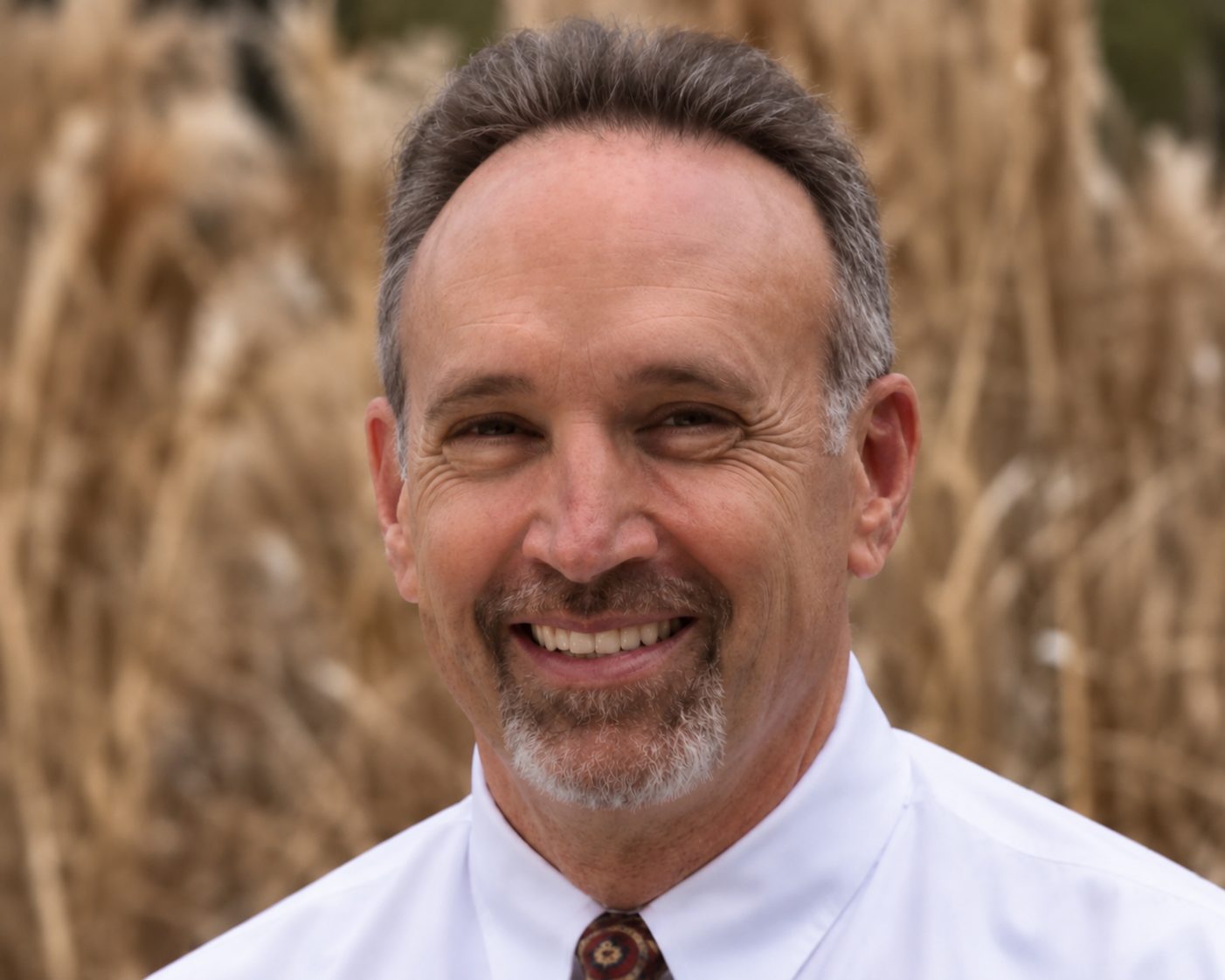
Thomas Francis Drost, M.D.
Board Certified Surgeon
Dr. Drost is a board certified surgeon who performs in-office, non-surgical vein treatments at The Vein Care Center.
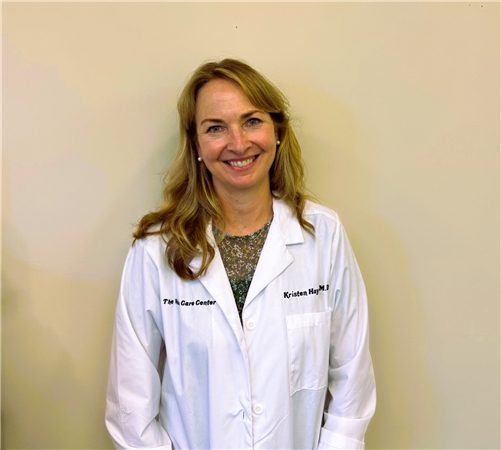
Kristen Hayes, M.D.
Board Certified Emergency Medicine Physician
Dr. Hayes is a board certified emergency medicine physician who supports patient care at The Vein Care Center.
Related treatments
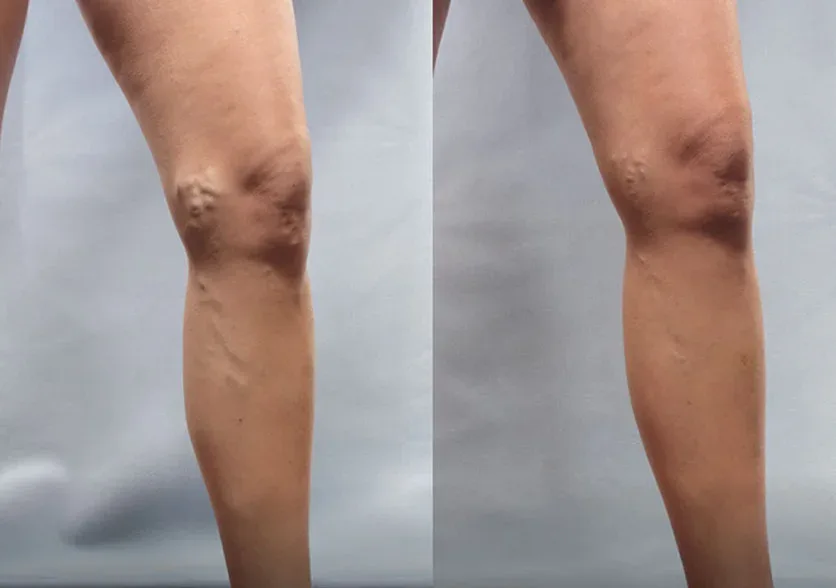
Varithena
Ultrasound-guided foam that closes varicose veins, often in one visit.
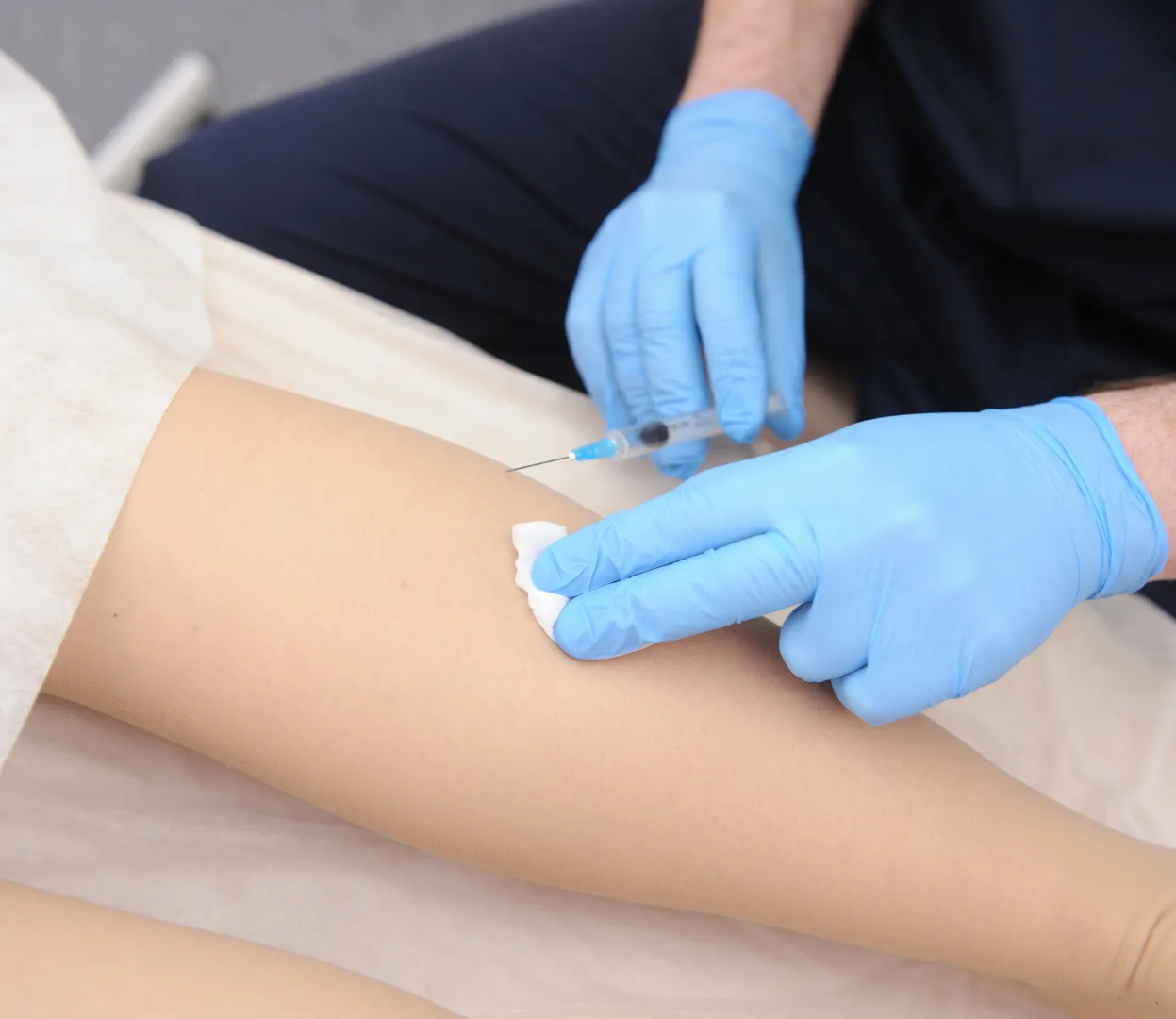
Sclerotherapy
Quick injections that fade spider veins and small varicose veins.
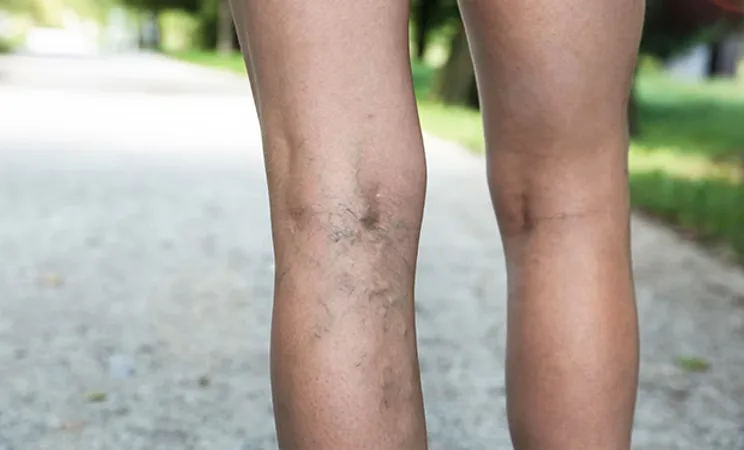
Micro-Phlebectomy
Bulging surface veins removed through tiny nicks. No stitches.
Related reading from our blog
Ready to take the first step toward healthier legs?
Two offices in Oak Park and Wilmette, serving Evanston, Berwyn, River Forest, Skokie, Glenview, and all of Chicagoland. All procedures are performed in the office without surgery.