
Conditions we treat
Varicose veins: symptoms, causes, and treatment
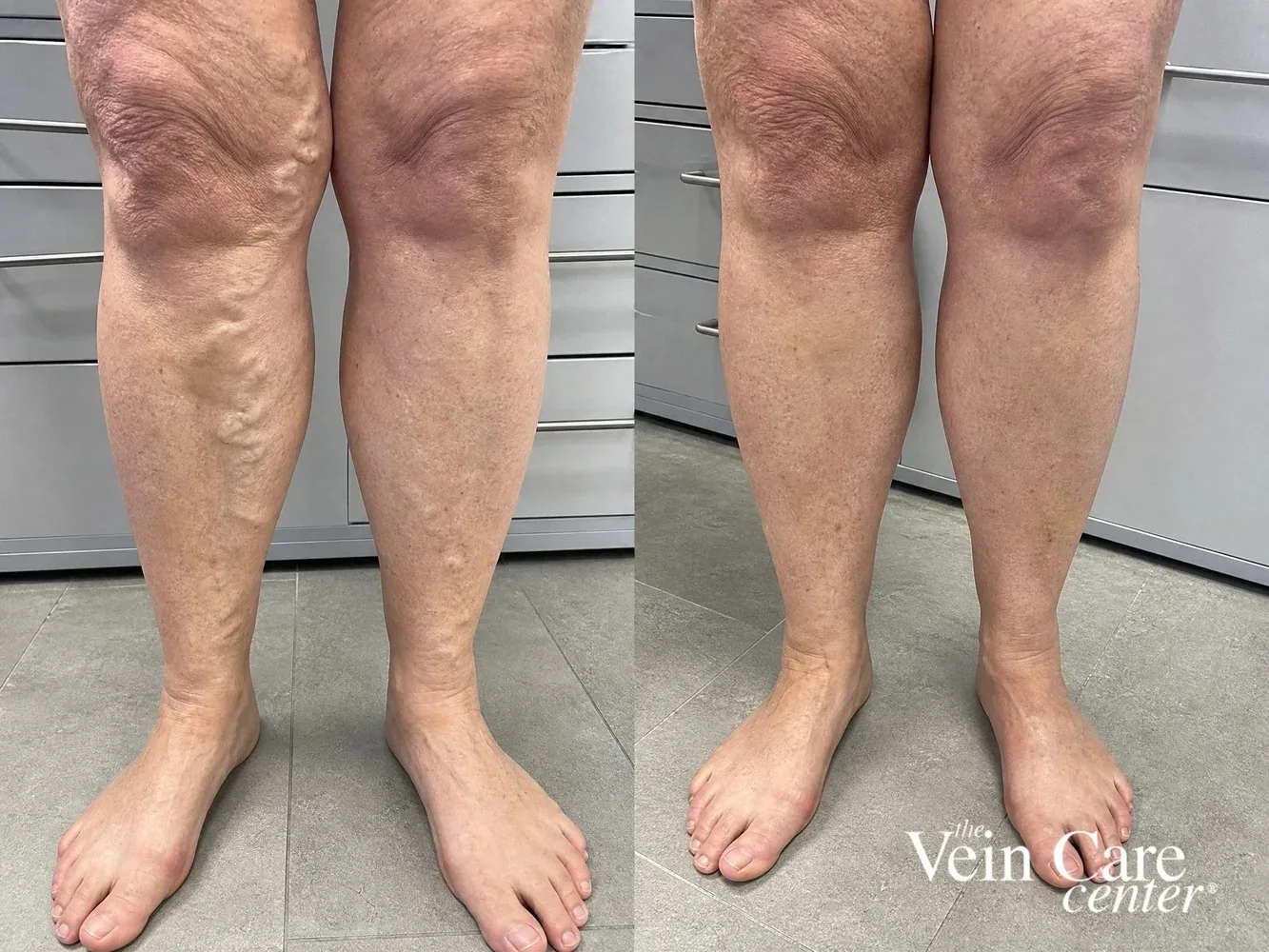
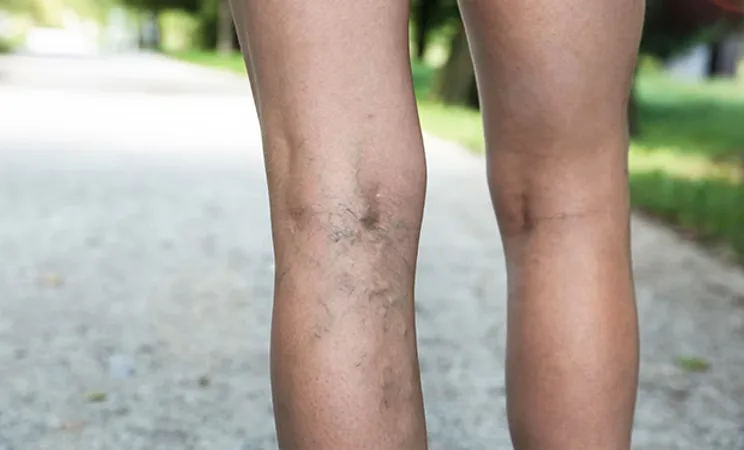
Varicose veins are enlarged, ropey leg veins caused by valves that no longer keep blood moving toward the heart. They are common, they tend to get worse without treatment, and they are treated in our office without surgery.
Symptoms
Causes and risk factors
Vein walls or vein valves can be damaged or stretched and weakened by high pressure in these veins. As blood is pumped back to the heart, veins act as one-way valves to prevent the blood from flowing backwards. If the one-way valve becomes weak, some of the blood can leak back into the vein, collect there, and become congested. This congestion will cause the vein to abnormally enlarge.
No one knows the exact cause, but several factors make a person more likely to develop them: heredity, hormonal changes during puberty, pregnancy, and menopause, aging, obesity, leg injury, and prolonged standing, such as long hours on the job. As many as 60% of American adults have some form of vein disorder, and women are affected more often.
When to see a vein specialist
Typically, symptoms from varicose veins are heavy, achy, drawing pains, swelling, tenderness to touch, and a tired feeling in the legs. Untreated, varicose veins may lead to worsening venous insufficiency, blood clots (thrombosis), vein inflammation (phlebitis), leg ulcers, bleeding, infection, and skin changes in the legs. If your legs ache or swell most days, if the skin near your ankle is changing color, or if a vein has bled or become hard and tender, it is time for an ultrasound.
How we diagnose it
A venous ultrasound in our office maps the veins in your leg and measures reflux, the backward flow that causes varicose veins. It takes 30 to 45 minutes, is painless, and is usually covered by insurance. The physician reviews the images with you in the same visit and, if treatment is appropriate, builds a plan around what the ultrasound shows.
Treatment options
Treatment depends on what the ultrasound shows. These are the options we use most for varicose veins.
Varithena
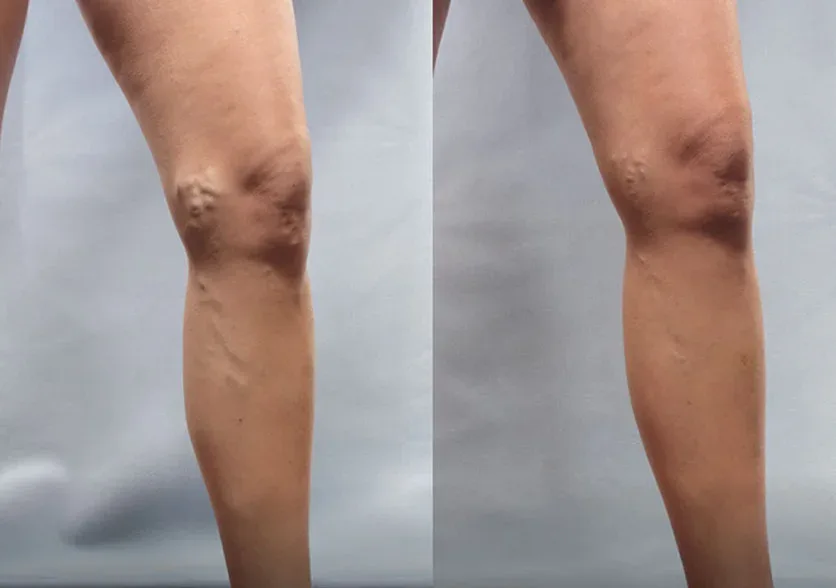
Ultrasound-guided foam that closes varicose veins, often in one visit.
Sclerotherapy
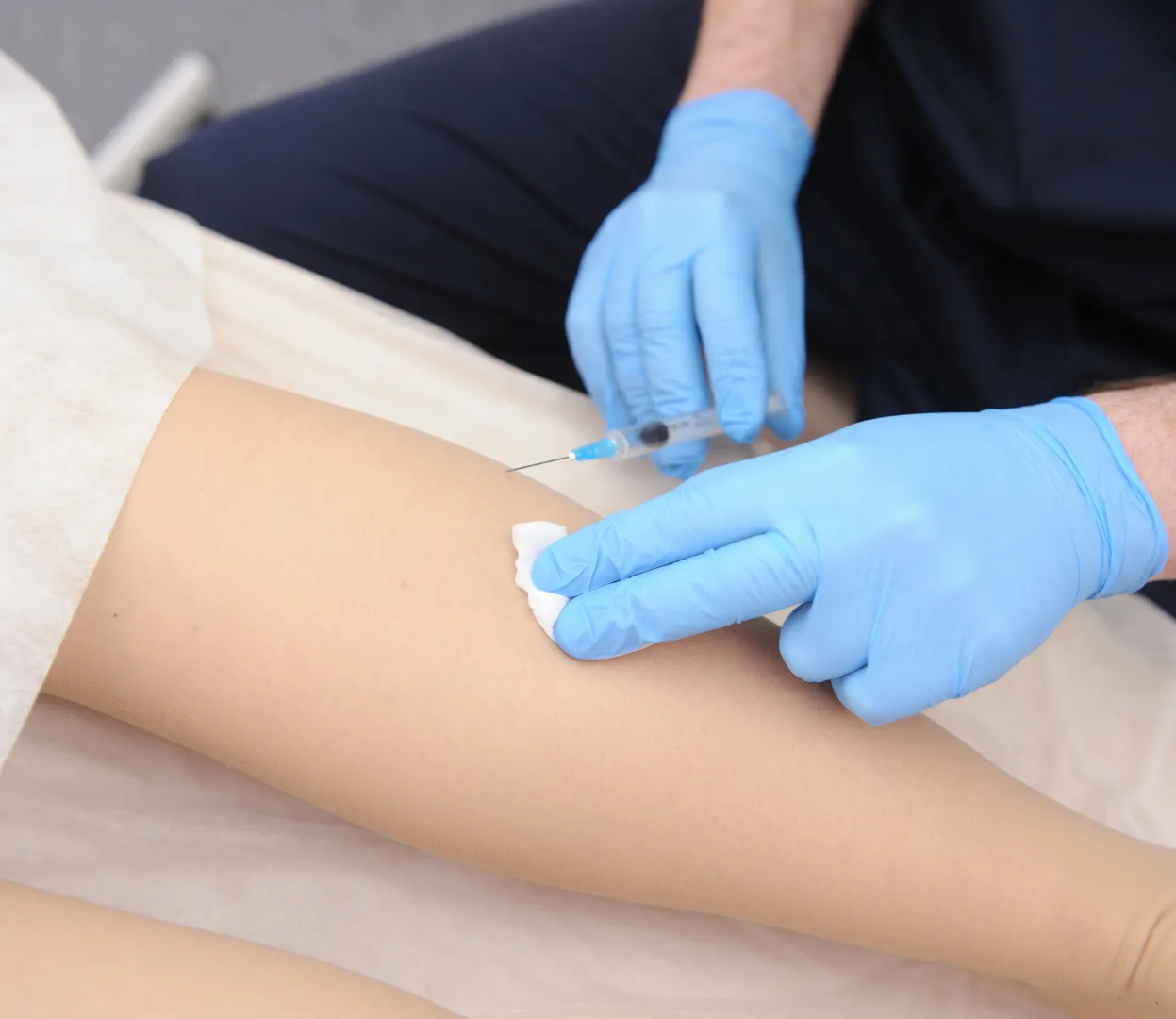
Quick injections that fade spider veins and small varicose veins.
Laser Therapy (ELAS)
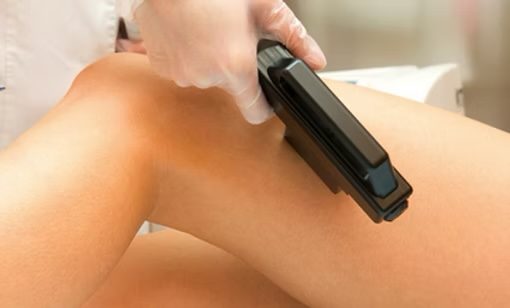
A thin laser fiber seals the vein that causes most varicose veins.
Micro-Phlebectomy
Bulging surface veins removed through tiny nicks. No stitches.

Support Stockings
Relief for heavy, swollen legs, and part of long-term care.
Insurance and cost
Evaluation and ultrasound are usually covered. When the ultrasound shows reflux and you have symptoms, the treatment itself is usually covered as medically necessary, including by Medicare Part B. Most plans want a compression-stocking trial documented first. We handle the paperwork and tell you where you stand before anything is scheduled.
Referred by your podiatrist?
Bring the referral and any notes. We do the ultrasound and consultation in one visit and send a written report back to your referring doctor.
Common questions
Are varicose veins dangerous?
Most are not an emergency, but they are progressive. Over years they can lead to venous insufficiency, skin changes, ulcers, superficial clots, and bleeding. Treating them early is simpler than treating the complications.
When should I worry about varicose veins?
See a vein specialist if you have daily aching or swelling, skin that is darkening or hardening near the ankle, a vein that has bled, a tender hard cord along a vein, or a sore that will not heal.
Can varicose veins go away on their own?
No. Varicose veins are a mechanical problem with a vein valve, and there are no effective medications. Compression, exercise, and elevation relieve symptoms; closing the vein resolves it.
Can varicose veins come back after treatment?
Current treatments have very high success rates. Treated veins do not return, but new varicosities can develop over time, which is why we recommend support hose, exercise, and follow-up ultrasound when indicated.
Is varicose vein treatment surgery?
Not anymore. Vein stripping has been replaced by office procedures: Varithena foam, laser ablation, micro-phlebectomy, and sclerotherapy. You walk in and walk out the same day.
Our physicians
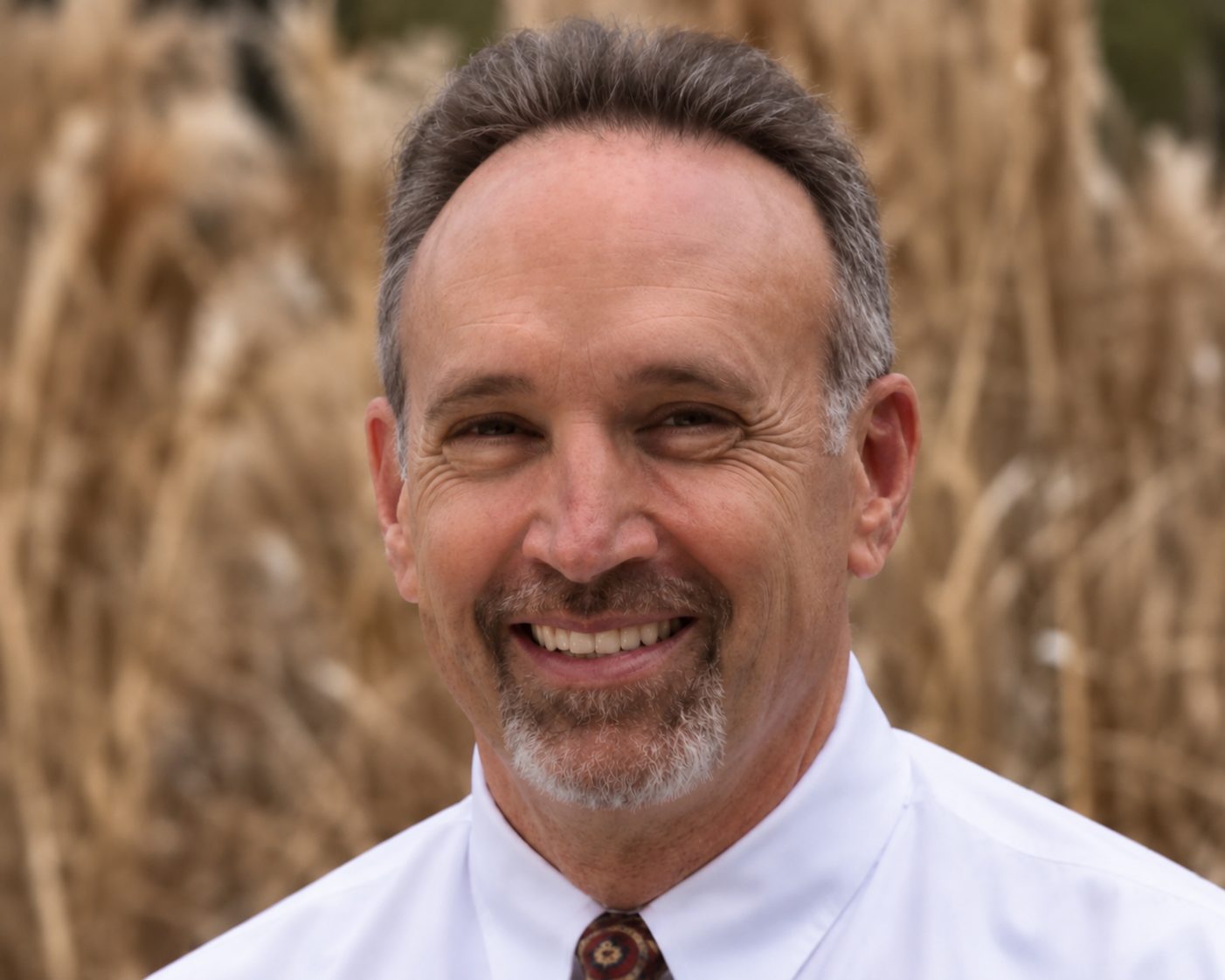
Thomas Francis Drost, M.D.
Board Certified Surgeon
Dr. Drost is a board certified surgeon who performs in-office, non-surgical vein treatments at The Vein Care Center.
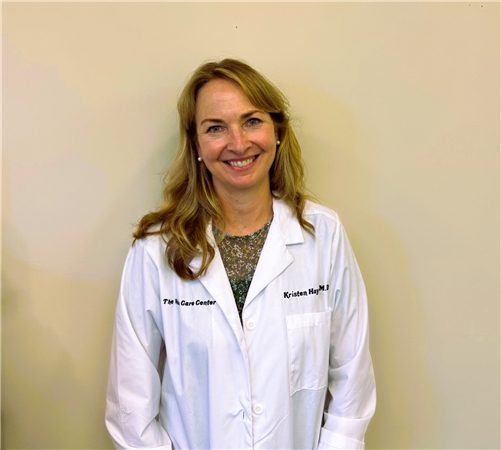
Kristen Hayes, M.D.
Board Certified Emergency Medicine Physician
Dr. Hayes is a board certified emergency medicine physician who supports patient care at The Vein Care Center.
Related reading from our blog
Ready to take the first step toward healthier legs?
Two offices in Oak Park and Wilmette, serving Evanston, Berwyn, River Forest, Skokie, Glenview, and all of Chicagoland. All procedures are performed in the office without surgery.