
Conditions we treat
Spider veins: causes and removal
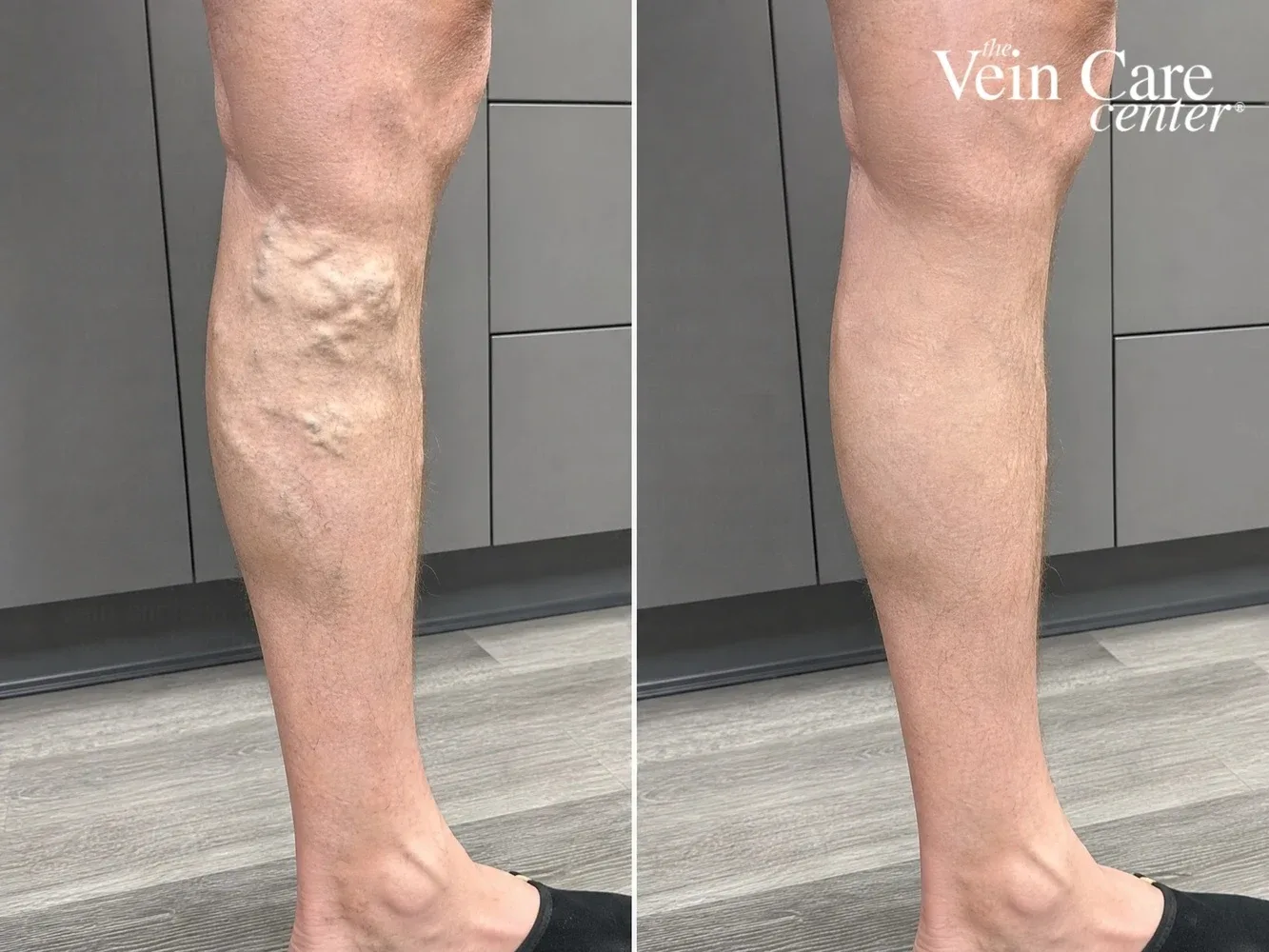
Spider veins (telangiectasias) are the fine red, blue, or purple lines that look like a web or tree branch on the legs or face. They are the smaller relatives of varicose veins. They are usually a cosmetic concern, and they are removed with sclerotherapy in the office.
Symptoms
Causes and risk factors
Spider veins are the smaller, less pronounced variants of varicose veins. Heredity plays a role, as do hormones during puberty, pregnancy, and menopause, estrogen, progesterone, and birth control pills. Aging, obesity, leg injury, and prolonged standing weaken vein valves. Spider veins on the cheeks or nose may come from sun exposure.
On the legs, a cluster of spider veins is sometimes fed by a larger vein with reflux underneath. That is why we look with ultrasound when there are symptoms: treating only the surface veins in that case gives results that do not last.
When to see a vein specialist
Spider veins typically do not pose serious threats, but they can be unsightly and cause discomfort. See us if you want them gone, if they ache or itch, if they are spreading, or if they come with heaviness or swelling in the leg, which points to a vein problem underneath.
How we diagnose it
For spider veins alone, a visual exam is often enough. If you have leg symptoms or the pattern suggests a feeding vein, we do a venous ultrasound in the office to check for reflux before treating the surface veins.
Treatment options
Treatment depends on what the ultrasound shows. These are the options we use most for spider veins.
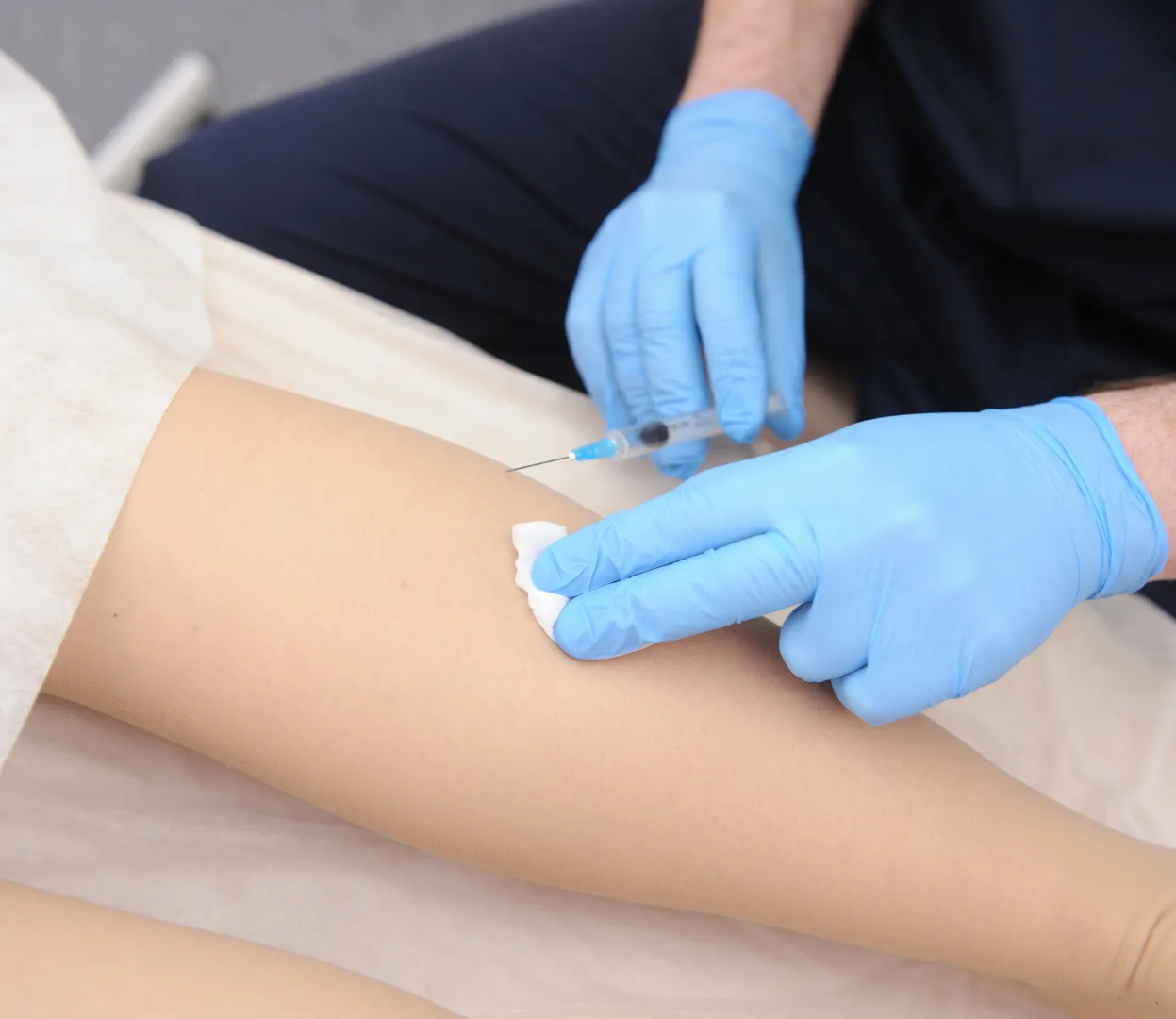
Sclerotherapy
Quick injections that fade spider veins and small varicose veins.
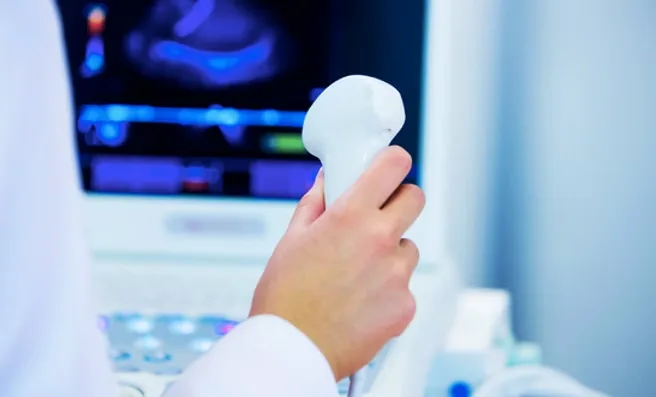
Ultrasound
Painless in-office mapping of your leg veins. Where every plan starts.

Support Stockings
Relief for heavy, swollen legs, and part of long-term care.
Insurance and cost
Spider vein removal is usually cosmetic and paid per session. Consultations for cosmetic vein treatment are complimentary. If an ultrasound finds a refluxing vein feeding the spider veins and you have symptoms, treatment of that vein may be covered.
Referred by your podiatrist?
Bring the referral and any notes. We do the ultrasound and consultation in one visit and send a written report back to your referring doctor.
Common questions
How do you get rid of spider veins?
Sclerotherapy: a fine needle places a solution in the vein, the vein collapses, and the body absorbs it over several weeks. Most patients need three to six sessions.
Spider veins vs varicose veins: what is the difference?
Spider veins are tiny surface vessels, usually flat and cosmetic. Varicose veins are larger, bulge above the skin, and usually cause symptoms. Both come from the same underlying valve weakness.
Are spider veins dangerous?
No. They are not a health risk on their own. They can be a visible sign of venous insufficiency in the larger veins, which is worth checking if you also have leg symptoms.
Does insurance cover spider vein treatment?
Usually not, because it is considered cosmetic. Consultations for cosmetic vein treatment are complimentary, and we quote the per-session cost before you start.
Do spider veins come back?
Treated veins do not return, but new ones can form over time. A touch-up session every few years is common.
Our physicians

Thomas Francis Drost, M.D.
Board Certified Surgeon
Dr. Drost is a board certified surgeon who performs in-office, non-surgical vein treatments at The Vein Care Center.
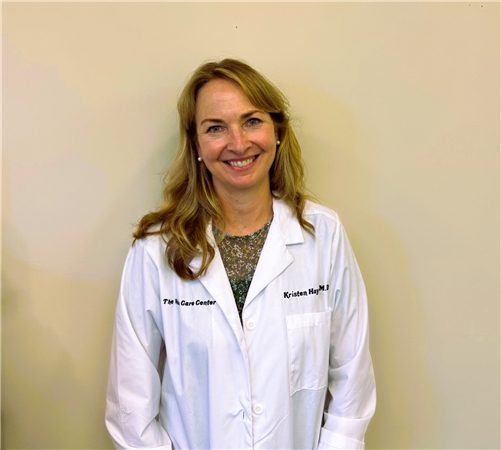
Kristen Hayes, M.D.
Board Certified Emergency Medicine Physician
Dr. Hayes is a board certified emergency medicine physician who supports patient care at The Vein Care Center.
Related reading from our blog
Ready to take the first step toward healthier legs?
Two offices in Oak Park and Wilmette, serving Evanston, Berwyn, River Forest, Skokie, Glenview, and all of Chicagoland. All procedures are performed in the office without surgery.